Explore Amplifier and Effects Types
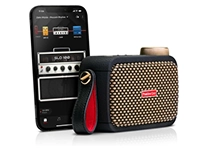
Amplifiers and effects shape the sound, volume, and feel of electric instruments, making them useful for practice, recording, rehearsals, and live performance. Guitar amplifiers range from compact practice combos and portable battery-powered models to powerful stage heads paired with speaker cabinets. Bass amplifiers are designed to handle lower frequencies, while acoustic amps often provide clean amplification and inputs for microphones or instruments. Effects are available as individual stompboxes, multi-effects units, and software-compatible processors. Common pedal types include distortion, overdrive, fuzz, delay, reverb, chorus, compression, and tuner pedals. Some players build a pedalboard around separate effects; others prefer an all-in-one processor with stored presets. At Ubuy, shoppers can discover international amplifier and effects options across different formats, helping them compare setups for their instrument and playing environment.
- Combo amps, amp heads, and speaker cabinets
- Pedals, multi-effects processors, and amp modelers
- Options for guitar, bass, and acoustic instruments
Compare Amplifier Power, Tone, and Technology
The right amplifier depends on how much volume you need and the tone you want. Wattage is one comparison point, but speaker size, cabinet design, and the intended setting also affect perceived loudness and projection. Tube amplifiers are valued for their responsive playing feel and distinctive breakup, while solid-state models are often selected for consistent operation and straightforward controls. Digital modeling amps reproduce a range of amplifier and cabinet sounds, and hybrid designs combine technologies. Look at clean and overdrive channels, gain and master-volume controls, equalization, and built-in reverb or other effects. Attenuators and power scaling can help manage output in some setups. Fender, Marshall, and Orange are familiar names in amplifier categories; compare the specific model's features, output, and speaker configuration rather than relying on brand alone.
- Match output and speaker configuration to your setting
- Compare tube, solid-state, and digital designs
- Check channels, EQ, gain, and onboard effects
Understand Effects Pedals and Signal Shaping
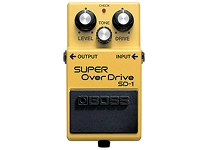
Effects alter an instrument's signal to add character, dynamics, space, or modulation. Overdrive responds to playing intensity with a softer clipping texture, while distortion and fuzz typically deliver more pronounced saturation. Delay repeats the signal, and reverb adds a sense of acoustic space; chorus and flanger create moving, layered textures. Compression can even out volume, while a noise gate helps reduce unwanted noise when configured appropriately. Multi-effects processors combine several effects and may include presets, expression-pedal control, amp simulation, or speaker cabinet modeling. When choosing a pedal, consider controls, preset storage, mono or stereo operation, and whether it suits your preferred playing style. Boss and Electro-Harmonix are recognized effects brands. Check product specifications for power requirements and connections, since features and supported routing vary between pedals and processors.
- Choose effects by sound and playing application
- Compare standalone pedals with multi-effects units
- Check controls, presets, and signal routing
Check Connections, Compatibility, and Accessories
A compatible signal chain helps amplifiers and effects work together as intended. Identify the instrument input, output, and any effects loop connections before planning a setup. Effects loops can place selected pedals between an amplifier's preamp and power amp, while the conventional input path routes pedals before the amp's preamp. Review connector types, such as standard instrument jacks, stereo outputs, MIDI, USB, or XLR, and confirm whether a device supports the connections your other equipment needs. Power supplies, isolated outputs, patch cables, speaker cables, and pedalboard accessories may be useful additions; speaker cables are not interchangeable with instrument cables. Ubuy provides a place to explore international products and compare listed specifications. Check each item's stated power, impedance, and connection details, and confirm that accessories suit the exact amplifier or effects unit you plan to use.
- Verify input, output, and effects-loop connections
- Match power supplies and cables to specifications
- Check impedance and supported control connections
Plan a Setup for Practice, Recording, or Performance
Start with where and how you play. A small practice amp may offer manageable volume, headphone output, and an auxiliary or wireless audio connection for personal practice. For recording, consider a direct output, USB audio, headphone monitoring, or cabinet simulation, depending on your workflow. Rehearsal and performance setups may call for greater projection, suitable speaker cabinets, and reliable access to the controls you use during a set. Consider weight, portability, storage space, and whether built-in presets simplify changes between sounds. Keep a clear signal chain and organize cables to make setup easier. Routine care includes storing equipment in a dry, protected place, keeping connectors clean, and following the manufacturer's guidance for tubes, batteries, or power supplies. Avoid changing speaker connections without checking the amplifier's specifications and instructions.
- Choose features for your playing environment
- Consider portability, monitoring, and sound storage
- Follow equipment guidance for care and connections
Select the Right amplifiers effects
Before buying, define your instrument, preferred sounds, playing environment, and budget range. Then compare amplifier format, output, speaker configuration, and available tone controls with the effects you intend to use. A player seeking a simple setup may prefer a combo with useful onboard sounds; someone building a custom signal chain may prioritize an amp with suitable inputs or an effects loop. For flexible presets, compare multi-effects processors and modelers by their editing approach, connections, and control options. Read specifications carefully, including power requirements, supported instruments, and included accessories, and check whether a separate cabinet, footswitch, or power supply is needed. Ubuy can help shoppers discover international amplifier and effects products while comparing product details. A considered match between your instrument, sound goals, and compatible equipment makes it easier to choose a setup you can use confidently.
- Match amplifier format to instrument and use
- Compare effects, controls, and connection needs
- Review specifications and required accessories